TYCO Mutator: A Childhood Dream Come True
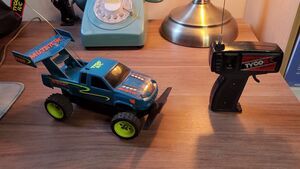
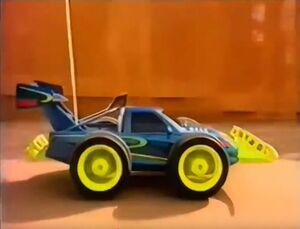
Christmas was approaching in 1996, and as always, a couple of months before the holiday, toy commercials began airing on TV. Some stood out—particularly a series of remote control vehicles from TYCO. What those cars could do was incredible: stunts, jumps, and unstoppable movement. Among all of them, one impressed me more than the rest: the TYCO Mutator.
And probably, like me, many kids asked for that toy for Christmas. But instead, I received a TYCO Dagger. It was a great gift, no doubt, but something always felt incomplete.
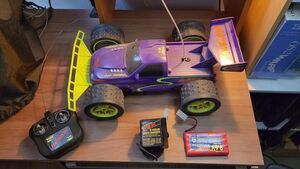
Twenty-six years later, in December 2022, I decided to gift myself what I never had as a child. The search wasn't easy: I mistakenly bought a Mutator MINI first, but eventually, I found an original Mutator on eBay. The seller made sure to ship it before Christmas, and on December 15, it arrived at my doorstep. As it should be, I waited until Christmas Day to open it—just like it should have happened back in 1996.
View all (5 images)
The next day I went out to try it with my son. Although the battery only lasted 10 minutes, it was enough to relive the magic. I promised to record a future video explaining how to make or repair batteries.
A Brief History of TYCO
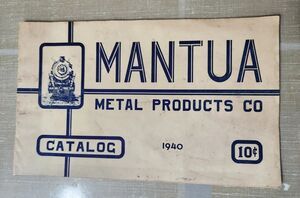
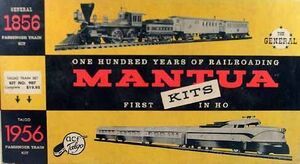
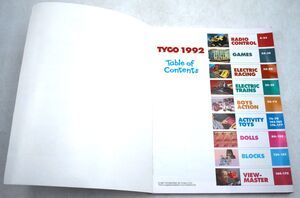
TYCO was founded in 1926 as Mantua Metal Products by John N. Tyler, producing metal toys and tools. Its big break came in 1957 with electric trains and highly efficient miniature motors, marking a golden age during the '80s and '90s. Although RC toys (Maximum Heat) bore the TYCO logo, they were actually developed by the Japanese company TAIYO, following a partnership to distribute TAIYO toys worldwide.
View all (4 images)
TYCO was acquired by Mattel in 1997. While some blame its decline on video games, I personally believe it was due to fierce competition from cheaper Chinese products. TYCO toys were built to last—unlike the low-cost ones that rarely survived past New Year's when gifted at Christmas.
TYCO Mutator: Features and Design
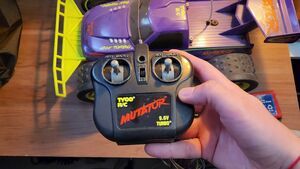
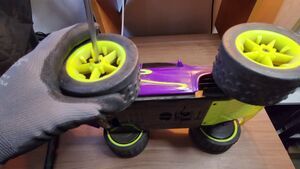
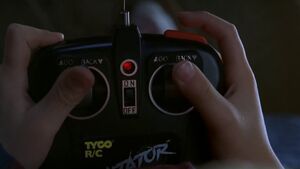
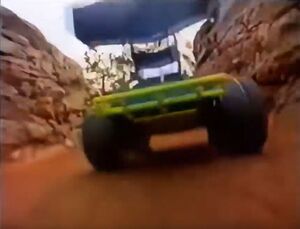
The Mutator debuted in Japan in 1995 and launched globally in 1996. Its tank-style controller allowed for independent control of each side of the vehicle, enabling complex maneuvers that were difficult to achieve with traditional transmission systems. Its standout feature—the "mutation"—adjusted the height and spacing of the wheels, giving it off-road capabilities no other vehicle had.
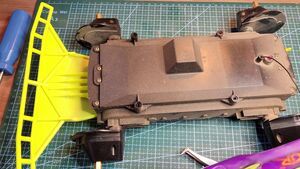
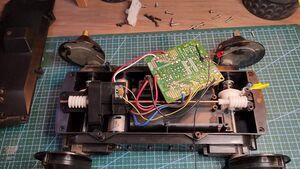
Inside, the Mutator is surprisingly well-built: a 4WD transmission, a well-designed mutation system, and top-notch electronics featuring Mabuchi motors and a third motor dedicated exclusively to the mutation mechanism.
View all (5 images)
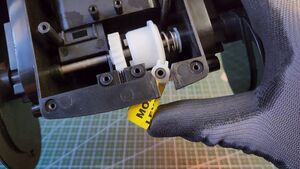
During maintenance, I couldn't open the transmission system—apparently, the axle is pressure-fitted, and I didn't want to risk damaging it. Still, it's incredibly robust and even retained its original grease, though slightly dried out. I applied basic lubrication with silicone grease and repaired the cut antenna. In an upcoming video, I'll cover the repair of the anti-roll bar.
View all (10 images)
Anecdotes and Curiosities
The Mutator made an appearance in the movie Home Alone 3, where Alex used it to defend his house. Originally intended to boost 1996 holiday sales, production delays caused the movie to release in 1998, missing its promotional window.
View all (8 images)
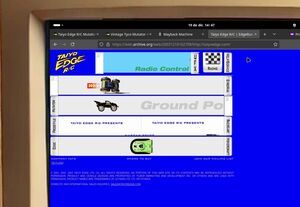
Another curiosity: the commercial prototype showed a rear bumper that never made it to the final model. Also, after TYCO was acquired by Mattel, TAIYO briefly continued producing a cheaper version of the Mutator, which can be identified by printed websites on the sides like teamedge.com and taiyoedge.com—sites you can still visit today via Archive.org.
This trip down memory lane has finally fulfilled a childhood dream. Today, the Mutator holds a special place in both my collection and my heart.
You have the following video published on the YouTube channel with all that appears on this blog:
Comments (0)
No comments yet.